
*T&C Apply
 Sightseeing
 Hotel
Hotel Cab
Cab Meal
Meal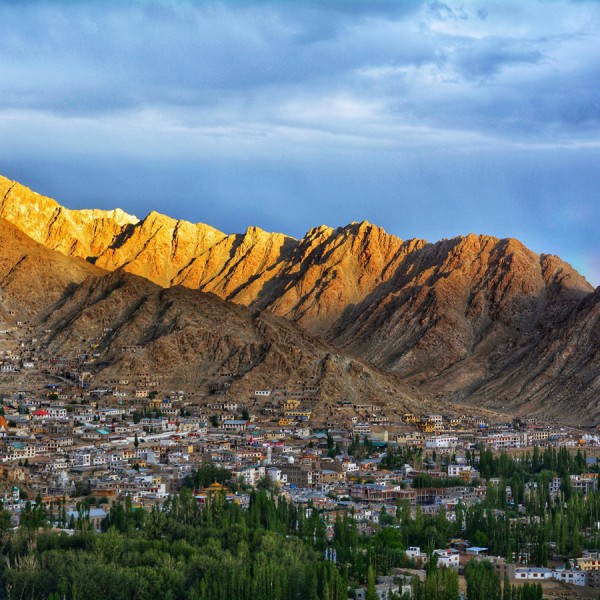
*T&C Apply
SightseeingHotelCabMeal
*T&C Apply
SightseeingHotelCabMeal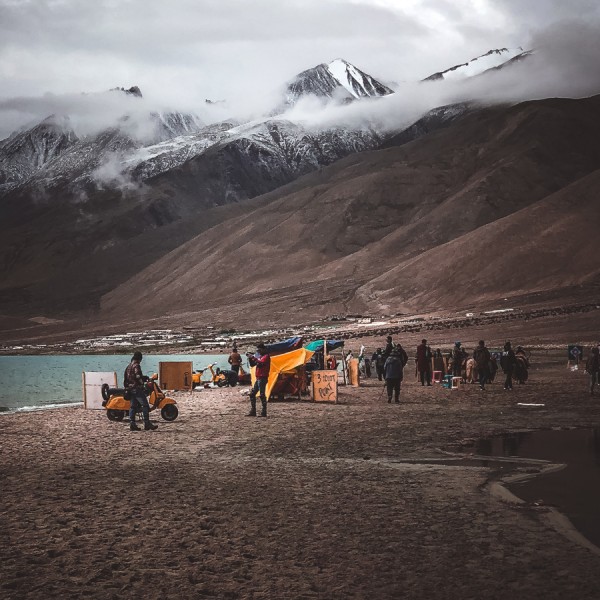
*T&C Apply
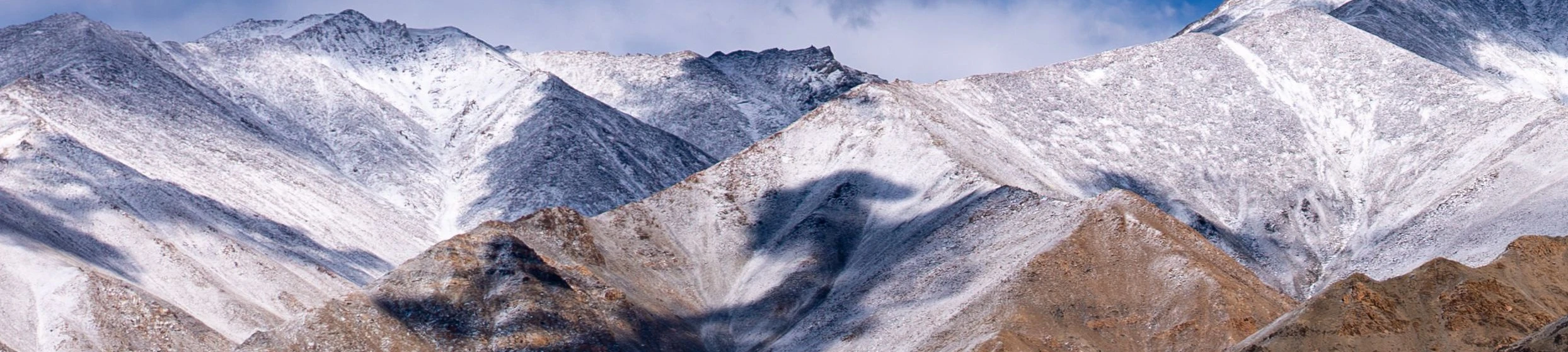
SightseeingHotelCabMealLeh Ladakh is the perfect destination for everyone, whether you're a solo traveler seeking peace, a couple wanting to escape into a quiet desert landscape, or a family or group of friends looking to soak in the breathtaking views and untouched beauty of the region. The snow-capped mountains, frozen lakes in winter, peaceful and timeless monasteries, and other natural wonders offer a deeply enriching travel experience filled with serenity and a positive aura.
At My Tour Plans, we provide all-inclusive Leh-Ladakh Tour Packages for a seamless travel experience. We try our best to give you a hassle-free travel experience, one that combines comfort, culture, and adventure with local knowledge to explore both historically popular and off-the-beaten-path destinations, while maintaining safety, convenience, and value. Picturing the sunrise at Pangong Lake and witnessing the lake change colors again, meditating in ancient monasteries like Hemis and Thiksey, and driving through the highest motorable pass in the world - these are all activities expertly planned, with unparalleled local support making them happen.
Planning a trip to Leh-Ladakh comes with a bunch of questions. What places are off-limits? What permits do you need, and how do you get them? What essentials should you pack for Ladakh? What kind of health problems can happen at that height? When’s the right time to go? Our package includes everything: a well-planned itinerary and all end-to-end services from transportation to all permits, so you just need to book and enjoy. We also offer customized packages according to your demands and needs. These are the inclusions you will get in our packages:
Ladakh has different seasons that show a different side of this enchanting place. The best time to visit Leh-Ladakh generally depends on what we all want to experience:
Reaching Leh Ladakh depends on the season and your starting point. The quickest way is by air, with regular flights from Delhi. For those who enjoy road trips, routes from Manali and Srinagar offer scenic but long drives and are only open in summer. There’s no railway station in Leh, so the journey by train ends at Jammu or Chandigarh, followed by a road trip.
City | By Air | By Road | By Train |
Delhi | Direct flights daily to Leh | Via Manali or Srinagar (2–3 days by road) | No train, road trip, or flight needed |
Mumbai | Flights via Delhi | Not recommended – too long and remote | Train to Jammu, then by road |
Bangalore | Flights via Delhi | A long and tiring road journey | Train to Chandigarh/Jammu, then by road |
Kolkata | Flights via Delhi | Not commonly by road | Train to Jammu, then by road |
Chandigarh | No direct flight; go via Delhi or by road | Road trip via Manali – shorter access | Train till Chandigarh, then the road to Leh |
Jammu | No direct flight | Road to Leh via Srinagar | The closest railhead, then the road to Leh |
Flights are best for saving time. The road is perfect for those who want the full Ladakh experience. Trains are useful only up to a point. Plan based on time, comfort, and season.
Leh Town
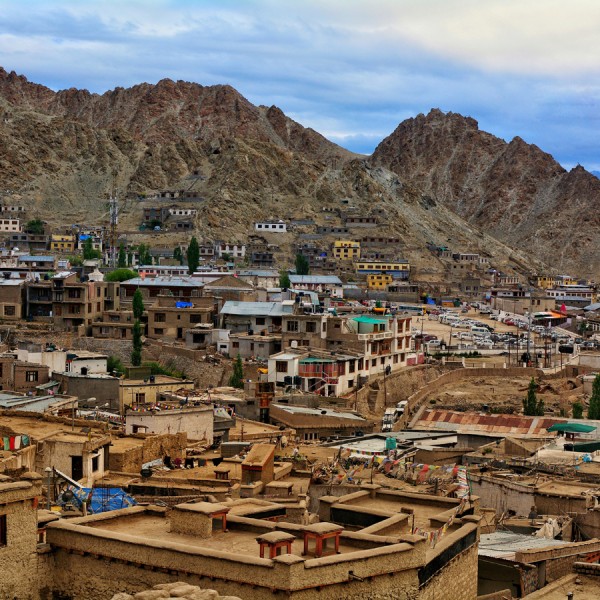
This is where everything starts. The airport is here, so most people stay for a day or two. The town is small. You’ll find shops, cafés, and places to rent bikes or taxis. Leh Palace is old and not fancy, but you can climb up for a good view. Shanti Stupa is quite early in the morning. The main market sells prayer flags, souvenirs, and winter clothes.
Nubra Valley
You cross Khardung La to get here. The road is rough and high. Once you’re down, the valley opens up. Hunder has dunes and Bactrian camels. They give rides for short distances. Diskit Monastery has a big statue of Buddha and a nice view. If you go further, Turtuk is a quiet village. It used to be part of Pakistan. The people and culture are different there.
Pangong Lake
The lake is long and wide. You can’t see the end of it. The water is cold and clear. The color changes with the light. Most people stay in tents near the lake. There’s no phone signal. Nights are cold. Mornings are silent. It’s not a place with things to do. You just look, sit, and stay quiet.
Tso Moriri
Fewer people come here. The drive is longer. The lake is at a higher altitude. It’s part of a protected area. You might see birds or wild animals. The place is plain. There are no cafés or big camps. Just one village and the Korzok Monastery. If you want space and silence, this is the spot.
Zanskar Valley
It’s remote. Not easy to reach. The roads are broken and dusty. But the views are raw. Mountains, rivers, and old houses. In summer, people come for rafting or treks. In winter, the river freezes. That’s when the Chadar Trek happens. Phuktal Monastery is built into a rock wall. It looks like part of the cliff.
Magnetic Hill & Sangam
Magnetic Hill is a quick stop. You park your car, and it moves a bit. It’s fun for a minute. Nearby is Sangam, where two rivers meet — the Zanskar and the Indus. One is green, the other is muddy. You can tell them apart. People stop here for pictures. Sometimes there’s rafting.
Lamayuru & Alchi
Lamayuru has a strange, cracked land. People call it Moonland. There’s a monastery on a hill. Not crowded. The drive is peaceful. Alchi is older and has painted walls inside. It doesn’t look big from the outside. But the art is very old. It’s quiet and not on most people’s itinerary.
Thiksey, Hemis & Shey
These are close to Leh. Easy half-day trips. Thiksey is built like a mini version of the Potala Palace. There’s a large statue inside. Hemis is bigger and has a festival with dancing. Shey Palace is part ruin, part monastery. You walk around and see a big Buddha statue inside. All three are good for slow visits.
While Pangong Lake and Nubra Valley steal most of the spotlight, the soul of Ladakh lies hidden in its offbeat corners, far from commercial circuits. These lesser-explored gems offer raw, untamed Himalayan beauty, unique culture, and unfiltered tranquility, perfect for travelers seeking authenticity.
Turtuk is one such place that feels like a secret. This small village in the Nubra Valley, near the Pakistan border, only opened to tourists in 2010. Home to the Balti people, Turtuk offers a distinct culture, food, and language — starkly different from the rest of Ladakh. Stroll through its apricot orchards, explore traditional stone houses, and chat with locals over butter tea to experience a culture influenced by both India and Central Asia.
Hanle, on the other hand, takes solitude to another level. Located in the Changthang region near the Indo-China border, it is one of the most remote inhabited villages in Ladakh. Hanle is best known for the Indian Astronomical Observatory, one of the world’s highest and clearest sky-watching facilities. The sky here is so clear that you’ll witness the Milky Way with the naked eye, stretching from horizon to horizon — a magical experience you can’t recreate anywhere else.
Dah and Hanu, known as the Aryan villages, offer an anthropological and cultural voyage. Inhabited by the Brokpa tribe, believed to be descendants of Alexander the Great’s army, these villages maintain a unique Indo-European identity. Colorful traditional attire, floral headgear, and ancient customs still dominate their way of life. A visit here feels like stepping into a time capsule.
Another forgotten jewel is Zongkhul Monastery, tucked deep in the Stod Valley of Zanskar. Built directly into a cave face, this monastic retreat offers meditative silence and spectacular views, making it a spiritual oasis for introspective travelers.
Chuchot, on the outskirts of Leh, is a cluster of traditional Ladakhi homes where you can stay with local families, join them in their barley harvests, and understand Ladakhi customs beyond tourism.
The charm of these places lies not in flashy monuments or curated experiences but in their untouched serenity. Roads to these places are bumpy, facilities are minimal, and mobile signals vanish — but in return, you gain connection: to land, to silence, and perhaps to yourself.
Beyond sightseeing, Ladakh invites travelers into a world of immersive experiences. From spiritual journeys to adrenaline-pumping adventures, every day here unfolds a new story.
Trekking: Leh Ladakh is a haven for trekkers. Routes like the Markha Valley Trek, the Stok Kangri Expedition, and the Sham Valley Trek combine cultural exploration with raw Himalayan beauty. These treks pass through ancient villages, high passes, and monasteries tucked away in mountain folds.
River Rafting: White-water rafting on the Zanskar and Indus Rivers is an exhilarating experience. The stretch between Chilling and Nimu offers rapids that vary from Grade I to Grade IV, catering to both beginners and experienced rafters.
Motorbiking and Cycling: For thrill-seekers, nothing compares to riding a bike across Khardung La, Chang La, and the entire Manali-Leh highway. Cycling enthusiasts, too, can test their mettle along these routes, where every bend reveals jaw-dropping scenery.
Camel Safari in Nubra Valley: Riding double-humped Bactrian camels across the Hunder Sand Dunes is an experience unique to Ladakh. The surreal contrast of sand and snow-capped peaks makes it a truly unforgettable activity.
Camping by Pangong or Tso Moriri: Setting up camp beside the crystal-clear waters of these high-altitude lakes is among the most calming experiences in Ladakh. Under a canopy of stars, the remoteness and beauty of the region are most deeply felt.
Attend Festivals: Ladakh’s rich Tibetan Buddhist culture comes alive during festivals like Hemis Tsechu, Dosmoche, and Losar. These vibrant events showcase masked dances, rituals, and monastic processions that reveal the spiritual heartbeat of the land.
Photography: Every corner of Ladakh is a frame waiting to be captured. Sunrises at Pangong, monks in maroon robes walking through monasteries, and golden hour in Nubra’s villages offer exceptional opportunities for shutterbugs.
Leh Ladakh Tour Package For Groups or Family
Ladakh works well for families who want something real. Kids enjoy camel rides in Nubra, spotting marmots on the road to Pangong, and staying in homestays where food is local and life is slow. It’s safe, clean, and quiet. Places like Leh Palace and Shey give a glimpse of history without being too much. It’s not rushed. You go slow, and that’s the beauty. Leh-Ladakh also offers several tour packages for groups with multiple activities to do.
Leh Ladakh Tour Package For Couples
Couples who want peace and open skies come here. No noise, no crowd. Just long drives, high passes, and time that doesn’t move fast. You wake up near a lake, drink tea with no signal on your phone, and talk without checking the time. Nights by Pangong or in Turtuk feel like they’re yours alone.
For Solo Travelers
You ride alone here, and it doesn’t feel lonely. Everyone helps without asking for anything. A room, a meal, a direction—it’s simple. You get time to think. The silence isn’t heavy. It lets you breathe. The roads are tough, but the journey is clear. Ladakh gives what you didn’t know you needed.
What do tour packages in Leh Ladakh usually include, and what stays outside the base price?
Generally, tour packages in Leh Ladakh include airport pickup and drop, hotel stays at Leh, and a vehicle with a driver at your service for local sightseeing and inter-valley travel. Some itineraries also have a day-wise itinerary as well as basic support for permits for restricted areas. The base price usually does not include your airfare flight tickets, lunch and dinner unless mentioned in the plan, entry tickets, and any personal expenses like shopping. The total price changes rapidly, so you must check both the exact vehicle type and hotel category both.
How much does a Leh Ladakh trip cost for 6 nights and 7 days?
A 6 Nights / 7 Days Ladakh package usually covers Leh, Nubra Valley, and Pangong Lake. A buffer or rest day is part of this package plan. When it comes to land arrangements on twin share, for hotels + vehicle + driver, most quotes range between Rs 32,000 and Rs 65,000 per person. A budget plan employs basic hotels and shared transfers, while a higher plan opts for premium hotels, better vehicles, and smarter driving days. The final number fluctuates with season, group size, and demand for hotels in the Nubra and Pangong sectors.
What should you expect in a Leh Ladakh tour package with a flight from Delhi?
A package trip from Delhi to Leh generally consists of round flights (Delhi-Leh-Delhi) plus land arrangements in Leh, Ladakh. The total package cost changes due to seasonal flight cost changes, even if the itinerary does not change, as per the booking window used. For most of us, a combined budget-to-standard range lands around ₹45000 to ₹95000 per person on twin sharing. This depends on the category of hotel and airfare at the time of booking.
After you check the total, verify these points too:
What is the cheapest Ladakh tour package style without cutting the key circuit?
The cheapest Ladakh tour package style most often uses shared transport, standard stays, and a fixed route, excluding extra detours. The most popular of all possible “key circuits” is the one taking in Leh, Nubra, and Pangong because this covers the main valleys without having to add long backtracking days. One can keep the plan cheap by choosing twin-sharing rooms, avoiding one-night premium camps, and sticking to one pick up drop. It is best to avoid overly tight itineraries as delays can cause your hotel to change at the last minute and may increase your cost.
Which month is best to visit Ladakh for roads, weather, and sightseeing time?
The majority of travellers make their trip to Ladakh between the late spring and early autumn months when road accessibility is better and sightseeing easier. The summer months provide long days and many open routes, while the shoulder months ease the crowd load in the main valleys. In the winter months, the cold that is prevalent in Ladakh is very harsh. As a result, many regions aren’t accessible by road. Fire operations continue nonetheless. The best month for a scenic drive depends on whether the open highways with fewer people or the snowy scenery with fewer activities.
This month-by-month view keeps planning clear:
When should you avoid a Ladakh trip because the itinerary becomes risky or restricted?
If your plan involves long drives to remote lakes or passes, do not plan a road-heavy Ladakh itinerary in the deep winter. Snow and black ice may quickly block routes; extreme cold can affect water lines and hotel operations in some areas. Two high-altitude camps should not be scheduled early in the trip as the body does not have enough time to acclimatize. A safer plan softens the peaks to the later days and lightens the basses on the first day.
How many days are enough for Leh Ladakh if you want Nubra, Pangong, and time to acclimatize?
The classic circuit needs around 6 to 8 days to do Leh, Nubra, and Pangong with a proper rest day. Although the route can still be covered with a shorter plan, it usually shortens the rest time or compresses the driving days. The introduction of Tso Moriri or Kargil requires additional travel days due to the long distances involved. Most people underestimate the importance of a high altitude rest day on Days 1 and 2.
What is a practical Leh Ladakh tour package itinerary for 7 days?
A practical 7 Day plan keeps Day 1 simple, then rotates valleys, with enough buffer for weather, and permits A majority of the 7 Day Leh Ladakh Tour Packages include Leh local, Nubra Valley, Pangong Lake, and Leh night stay before departure. This plan helps avoid going back and ensures afternoon sun on key drives. It is better not to have a heavy sightseeing agenda on the arrival day because the body needs time to adjust to the altitude.
One clear 7-day structure looks like this:
What does a realistic Leh Ladakh tour package itinerary for 10 days cover that a 7-day itinerary cannot?
A plan for ten days is sufficient space for one more sector, like Tso Moriri, Kargil, or a longer stay in Nubra. To also give more buffer time for road delays and for altitude comfort. Most 10-day itineraries spend two nights in Nubra or two nights in the Pangong sector, and not rushing in and out. This itinerary is flexible. Also, the maximum days in Pangong and Tso Moriri matter, as you have long drives and a higher average altitude. Using a stable 10-day plan, it will ensure that there is at least 1 low-activity day in Leh mid-trip.
How do Manali to Leh Ladakh tour packages differ from Srinagar Leh Ladakh tour packages?
Packages for Manali to Leh Ladakh focus on a long, high-altitude road route and early-season and late-season limits. Packages for the Srinagar Leh Ladakh tour normally bring a gentler climb in the altitude level than the Manali side, which most people find easier to get acclimatized to. The opening dates of the road depend on the weather and local checks on both routes. Your decision should rely on how much free time you have, how comfortable you are with long drives, and whether you want a one-way circuit.
Use these route checks before you choose:
How do you plan Leh Ladakh Kashmir tour packages without wasting days in backtracking?
The Kashmir + Ladakh Plan needs sufficient days, as you get two different regions with long road connections. A lot of people regard Srinagar as the entrance and then drive to Kargil to reach Leh the next day, instead of a rushed single-day push. Depending on the duration, the plan can exit via a flight to Leh from the Ladakh Circuit or return by road. Stability in tour plans usually needs a time span of 10 to 14 days to cover the Kashmir basics, plus the valleys of Ladakh. Without transforming the itinerary into daily transfers.
What does a Leh Ladakh Kargil tour package usually include?
The plan for a Leh Ladakh Kargil tour package usually has Kargil as a transit night or sightseeing base. This route may connect Srinagar to Leh by road, or it may add a Kargil sector to a Ladakh circuit for people who want to cover the Kargil side along with Leh. The plan usually includes points in Kargil town and visiting its memorials, based on convenience. Determining if Kargil is classified as a night halt or a full day by the itinerary will determine speed.
What does “Leh Ladakh tour packages from Delhi” mean in a booking plan?
Leh Ladakh tour packages from Delhi are generally planned in such a way that your travel starts from Delhi, and the plan includes either flights to Leh or a travel plan whereby a road route starts after a pickup from Delhi. There are land itineraries available for your arrival at Leh airport from a Delhi-Leh flight. Road-based plans take more days and usually combine Manali or Srinagar routes. If you have limited days, a flight-based plan keeps your sightseeing time higher. You should ask whether the quoted price includes flights or only land arrangements.
How do Leh Ladakh tour packages from Mumbai usually work with flights and time?
Leh Ladakh tour packages from Mumbai often include connecting flights via Delhi, as the direct flights available can be seasonal and scheduled. It is best not be around on move-in and move-out day so you don’t get seen. An ideal plan does not schedule a long drive on the day of arrival of delayed flights in peak season. Examine the baggage allowance since winter gear and riding gear can add weight to your bag.
What route planning fits the Leh Ladakh tour packages from Kolkata?
Leh Ladakh tour packages from Kolkata also commonly route flights through Delhi, then start the land journey from Leh. Since the travel time can take most of the day, the first night should be spent in Leh with early rest. A tight plan that pushes local sightseeing after arrival usually breaks because altitude adjustment needs time and energy. You should also keep the final day clean for airport drop because connecting flights increase the risk of missed connections when delays happen.
What should people from Kerala know about Leh Ladakh tour packages from Kerala?
Leh Ladakh tour packages from Kerala usually involve longer flight times because most routes connect through one or two hubs. This decreases the amount of time available to see things unless the itinerary keeps enough days. A Ladakh circuit plan of 6N/7D does work, but a 7N/8D gives you more comfort if you want a buffer day for altitude and weather. You must also plan for cooler conditions since Kerala weather and Ladakh weather are distinctly different, even in summer nights.
What should couples check in Leh Ladakh tour packages for couple trips?
A couple of plans work best when the itinerary keeps a slower pace and fewer hotel changes. A rushed plan turns the trip into long drives with limited rest. Couples often prefer clean stays with heating in colder months and washrooms that work well in remote sectors. You should also check how the plan handles long lake drives, because those days can become tiring without breaks.
Couple-focused checks that improve comfort:
What should families check before booking a Ladakh tour package with kids or seniors?
Families need a plan that respects altitude and limits long daily drives. A family-friendly Ladakh itinerary keeps the first day in Leh simple and avoids sleeping at the highest point too early. You should also check medical access and hotel comfort in remote areas, because some sectors have limited facilities. A strong family plan results in fewer hotel changes and keeps sightseeing closer to the base.
Family checks that reduce risk and fatigue:
How do Leh Ladakh group tour packages change the cost and daily schedule?
Group plans usually reduce cost per person because the operator splits vehicle cost and some fixed costs across more people. The schedule also becomes stricter because the group moves together, so late starts can cut sightseeing time for everyone. Group plans usually keep fixed hotel categories and fixed meal timings, which suits people who prefer structure. Private plans cost more but keep better control over stop timing, meal stops, and rest breaks. You should choose based on your budget and how much flexibility you need.
How much cost for Ladakh trip cost by bike, and what expenses do people miss?
The cost of a bike trip is highly dependent on whether you rent a bike in Leh or bring a bike from outside, and whether you are riding solo or with a pillion. For a 6N/7D route with bike rental in Leh, after staying confirmed on the entire stay, many people spend ₹35000 to ₹80000 per person. This price, it includes all stays, fuel, and permits. The cost may vary based on your hotel choice and bike type. This range goes up when you add backup vehicle support or riding gear rental.
These costs often get missed in bike budgets:
What is the oxygen level in Leh, and what does it mean for your first two days?
The air pressure is much lower than in the plains in Leh because of its elevation of 3500 meters. With every breath, your body is able to use less and less of this oxygen. The amount of oxygen at this height is around 60-65% of that at sea level. Due to this, most people develop a shortage of air along with a headache and poor sleep on the first night. A clever plan for Day 1 keeps everything light and casual, encourages not drinking, and pushes the longest drives back to later on in the itinerary.
What permits do you need for Nubra Valley, Pangong Lake, and Tso Moriri?
The Inner Line Permit is required for the most popular Ladakh circuits, which include restricted areas like Nubra, Pangong, and Tso Moriri. Always ensure to keep copies and their photocopies because there can be check posts asking for them at entry points. Rules regarding permits can differ for Indian citizens and foreign nationals. The permit should be suited to the passport type. Additionally, you must carry a government ID and ensure that the dates correspond to your route, as the permits mention the route and validity.
Which mobile network works better in Leh Ladakh, and what should you confirm before you travel?
Depending on the valley and road sector you’re in, the network coverage may vary, so you must ignore what the brand claims and focus on practical setup. Cellular networks offer reasonable connectivity in Leh. However, in the remote areas, a signal drop may occur for long stretches. A large number of people keep a primary SIM and a backup SIM. They also always keep offline maps. It is better to check if your SIM type works in Ladakh, as some prepaid SIMs may not work owing to the telecom rules in the region.
What should you pack for Leh Ladakh in summer vs December?
The packaging must adapt to temperature variations and road situations. Although the summer days feel hot to some people, the nights often get cold. If you find yourself near the water, it’s true. It may get fairly chilly in December, when you will need to wear a heavier layer and shoes that work on ice. When up high in the mountains, your body might not be used to that altitude, and you might feel unwell. In the initial days, headache, nausea, and cold medicine should always be in your bag.
Pack smart with these clear rules:
How do you get an exact quote for Leh Ladakh tour packages without confusion later?
You get accurate pricing when you share fixed details, and the operator maps the route on real drive times. Share your travel month, total days, city of departure, group size, hotel category, and whether you want a private vehicle or a shared plan. Also, share whether you want Pangong, Nubra, and Tso Moriri in the same trip, because that changes permits and driving sectors. My Tour Plans can be quoted cleanly when you share these details at the start. A written day-wise itinerary and a written inclusion list prevent misunderstandings on meals, permits, and hotel category.


