

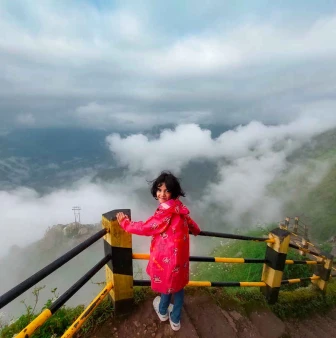
₹14,000
*T&C Apply
 Sightseeing
 Hotel
Hotel Cab
Cab Meal
Meal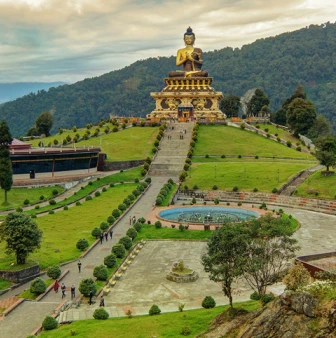
₹21,500
*T&C Apply
SightseeingHotelCabMeal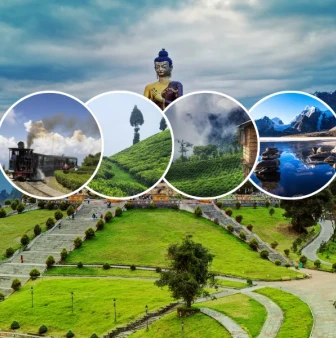
₹23,500
*T&C Apply
SightseeingHotelCabMeal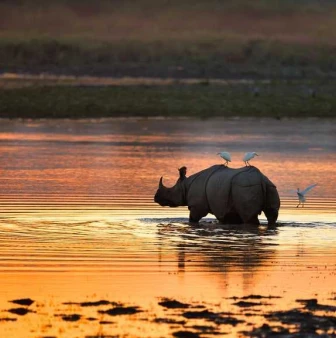
₹25,000
*T&C Apply
SightseeingHotelCabMeal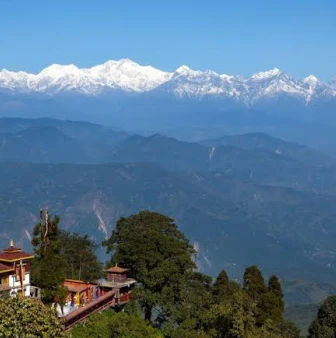
₹32,500
*T&C Apply
SightseeingHotelCabMeal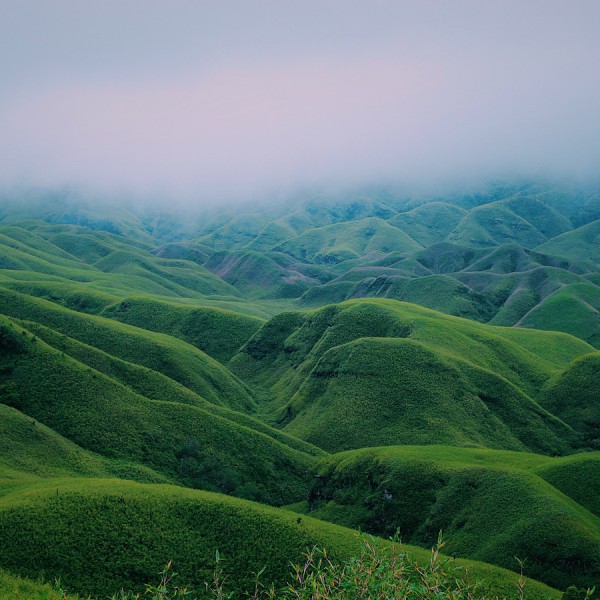
₹29,000
*T&C Apply
SightseeingHotelCabMeal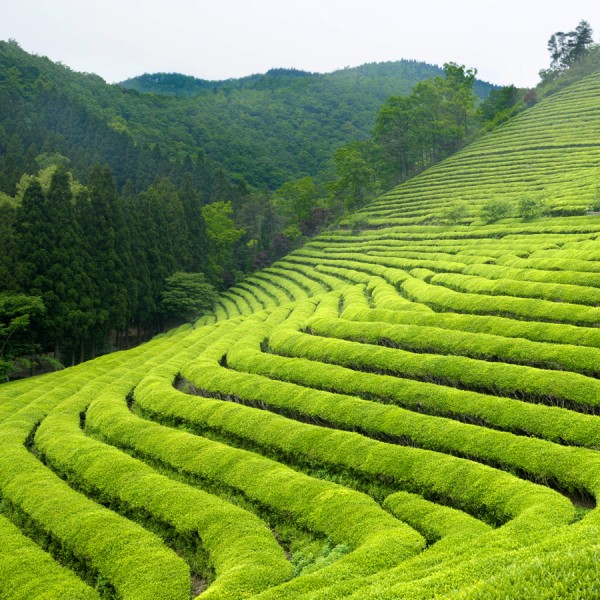
₹14,500
*T&C Apply
SightseeingHotelCabMeal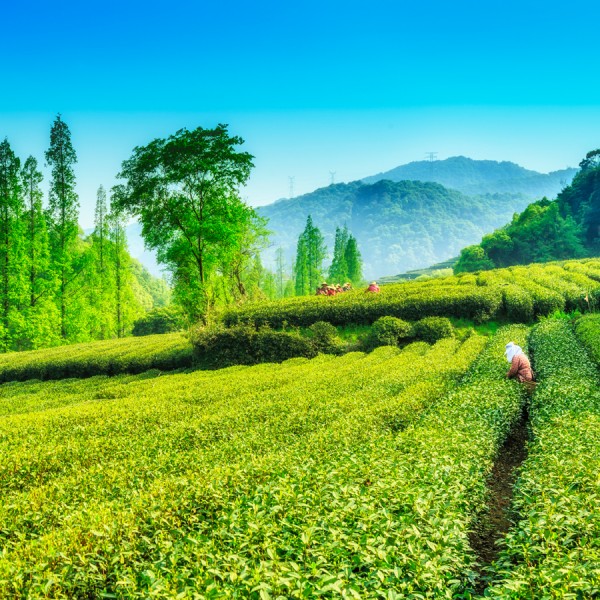
₹15,000
*T&C Apply
SightseeingHotelCabMeal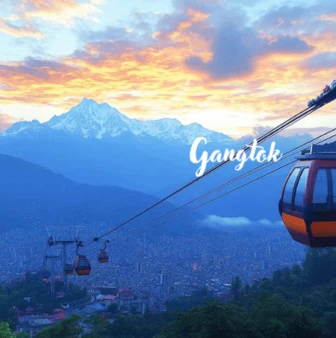
₹14,000
*T&C Apply
SightseeingHotelCabMeal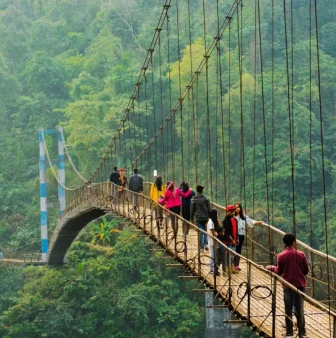
₹13,500
*T&C Apply
SightseeingHotelCabMeal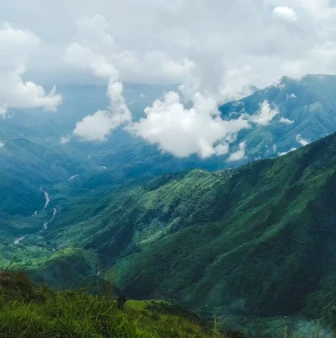
₹17,500
*T&C Apply
SightseeingHotelCabMeal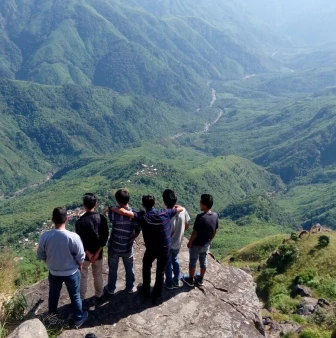
₹18,000
*T&C Apply
SightseeingHotelCabMeal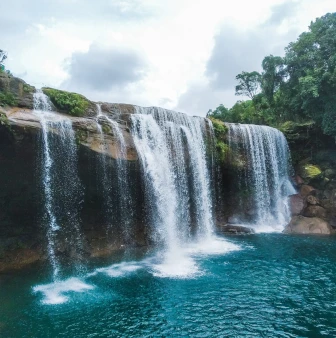
₹22,000
*T&C Apply
SightseeingHotelCabMeal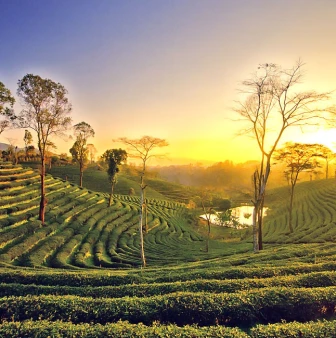
₹28,000
*T&C Apply
SightseeingHotelCabMealMany timeless monasteries, dense forests with the echo of the Hornbill, and the sound of swaying bamboo will give you the ultimate experience of the Northeast. If you're more into exploration and traveling to the edge of the map, then these states are a perfect mix of nature and culture that touch the sky.
At My Tour Plans, we create packages to provide you with the complete North East India experience. Our package will not only provide you with an itinerary, but also let you experience, explore, and be present in the moment.
There is a story behind every state of the Northeast. From the white frozen lake of Sikkim to the living root bridges of Meghalaya, these aren’t the places you pass through; they are places that stay with you.
Arunachal Pradesh – Where the Sun Rises First
Arunachal isn’t made for tourists. It moves at its own pace. The roads are rough, people are quiet, and the land feels older than the maps. No one’s in a rush. You don’t visit to see the sights. You come to be left alone, breathe clean air, and remember what stillness feels like.
Assam – Tea Gardens and River Tales
Assam doesn’t try to impress you. It stays grounded. The land is flat and green. People go on with their lives even if you’re watching. You come here to slow down. To take a boat. To sit under the shade. To do nothing and feel okay with that.
Meghalaya – Land of Clouds and Bridges
Meghalaya doesn’t talk loudly. It’s always covered in mist. You walk here because roads can’t reach everything. The rain doesn’t stop things. It just becomes part of the plan. There’s no rush, no plan. Just walking, eating, watching water fall from hills.
Nagaland – The Tribal Soul
Nagaland is sharp. Hills cut into the sky. People speak clearly and dress with intent. It’s not trying to welcome you, but if you’re respectful, you’ll be remembered. The roads are bumpy, the food is different, and the stories are strong.
Manipur – Still, Strong, and Proud
Manipur doesn’t open up easily. It holds its ground. The air is lighter here, but the history is heavy. You won’t find flashy tourism boards or crowds. You’ll find hills, lakes, and people who’ve seen a lot but say very little. If you’re quiet, you’ll understand more.
Mizoram – Hills That Don’t End
Mizoram is folded into hills. Everything here is either up or down. Roads twist like thoughts. Houses are built on slopes, and you wonder how they stay up. But they do. Life here is clean, fast, and orderly. People don’t stare, they nod and move on.
Tripura – Small State, Long Memory
Tripura often gets skipped, and maybe that’s why it stays real. It's not loud. It’s more like a whisper you lean in to hear. There’s greenery, palaces, old temples, and lakes — all without crowds. You’re not being sold anything here. You just arrive, and the state lets you be.
Sikkim – Clean, Kind, and Cold
Sikkim is orderly. The streets are clean, people follow rules, and even the mountains seem to stand with discipline. Monasteries hum in the background, and the sky changes colors fast. You come here to breathe different air and see a state that’s small but sure of itself.
The region doesn’t push for your attention. It just waits. Whether you're chasing a thrill or silence, North East India gives you both, without fuss.
Adventure Activities
Cultural Immersion
Educational and Heritage Sites
Wildlife & Nature Escapes
Spiritual Retreats
Getting to North East India has become easier, with better rail and air connections. Here's how to reach the region from major cities across India:
City | Nearest Gateway (Airport/Railhead) | Travel Mode | Notes |
Delhi | Guwahati / Bagdogra / Imphal | Direct Flights, Trains | Direct flights to Guwahati, Imphal, Bagdogra (Sikkim) |
Mumbai | Guwahati / Agartala | Direct Flights | Flights available to Guwahati & Agartala |
Kolkata | Guwahati / Aizawl / Silchar | Flights & Trains | Best air connectivity for NE states |
Bangalore | Guwahati / Dibrugarh / Imphal | Flights | Nonstop flights to Guwahati; others via Kolkata |
Chennai | Guwahati / Agartala / Dimapur | Flights | Daily connections, mostly one-stop |
Hyderabad | Guwahati / Silchar | Flights | Few direct, rest via Kolkata |
Local Transport Tips:
While the region is gorgeous year-round, each season offers a different shade of beauty:
There’s something about North East India that resists being captured in just photographs. The hills hum their music. The people, though proud and rooted, open up with a rare warmth. And while the world rushes, the rhythm here is slower enough to let you breathe differently. Whether you want to chase adventure through bamboo forests or lose yourself in the prayer chants of a mountaintop monastery, the North East doesn't just give you a trip. It gives you a transformation.
Ready to explore North East India?
Start by choosing one state — maybe the misty valleys of Meghalaya or the unexplored beauty of Arunachal. And then let the land guide you. You won’t come back the same.
What do North East tour packages in India usually include, and what costs often stay separate?
Most North East tour packages in India include hotel stays, a driver with a dedicated vehicle, sightseeing as per the day plan, and basic coordination for permits when the route needs them. Many packages keep certain costs separate because they change by season or personal choice. These usually include flight tickets, entry tickets, camera fees, and personal meals outside the listed plan. Always match inclusions with the exact day-wise route, not the package name.
How do North East tour packages from Delhi work in real planning terms?
The North East tour packages from Delhi will first be completed by air to a gateway city, and thereafter by road. Guwahati has Assam and Meghalaya road links and acts as a common starting point to travel by road to Arunachal Pradesh. Bagdogra is compatible with the Sikkim routes as it lessens road time to Gangtok. In a 7-day planning phase, choose a cluster. You can combine two clusters with one transfer day when you plan for 10-15 days.
What itinerary structure fits a North East tour package for 5 days without rushed driving?
A compact circuit works best for a North East tour package for 5 days. The entrance of Guwahati to the Meghalaya tour keeps travel time manageable and schedule stable. If you choose to add a safari zone, such as Kaziranga, in the course of 5 days, you must be prepared for early starts and one long travel day. Don't plan for two long transfers on back-to-back days because late check-ins eat into sightseeing time of the next day, and disrupt meal timings.
Route checks you should apply before booking:
What does a workable North East tour package for 7 days look like for first-time visitors?
A North East tour package for 7 days should focus on one region group. Assam + Meghalaya fits well because the route keeps one main gateway and avoids cross-region transfers. A Sikkim-only plan also fits 7 days because day trips start from one base and return to the same hotel. A 7-day plan becomes weak when it mixes far clusters, because driving time replaces sightseeing and increases delays.
How can a North East tour package for 10 days cover more without becoming a road trip?
A North East tour package for 10 days can cover two strong clusters if you plan the route in blocks. Block one can cover Assam + Meghalaya with a wildlife day. Block two can cover Sikkim with Gangtok as a base and limited hotel changes. If you choose Arunachal Pradesh instead of Sikkim, keep fewer towns and add buffer time because mountain roads and check-post timing can shift the day plan.
How should you design the North East tour packages for 15 days so the route stays realistic?
North East tour packages, 15 days, can cover 3 to 5 states, the route depending on geography. A practical sequence usually commences with Assam + Meghalaya, subsequently proceeding towards Arunachal Pradesh or North Bengal and Sikkim. If you plan to access Kohima or Dimapur and stay for enough nights, then Nagaland fits best as an add-on. When states are placed in random order, it results in backtracking days using up the schedule.
Planning rules that keep 15 days stable:
What is the best state combination for North East tour packages for family trips?
North East tour packages for family travel work best when the plan reduces long drives and hotel changes. Assam + Meghalaya fits many families because it keeps one main entry point and provides a mix of city stays and hill stays. Sikkim also fits family travel when you keep Gangtok as a base and keep day trips short. For kids and seniors, avoid schedules that demand daily packing and 7–8 hour drives.
Family-friendly checks that reduce fatigue:
How do North East tour packages for couples differ from general packages?
The best north-east tour packages for couples maintain a slower pace with longer stays in fewer hotels. An itinerary for couples usually uses a scenic base township like Shillong, stays on the Cherrapunjee side, at Gangtok, or prefers a lakeside stay, depending on the state. Couples generally prefer less early mornings, unless the safari is a priority. While reviewing a couple’s plan, check the number of hotel changes and check whether it keeps evening time free.
How should solo travellers evaluate safety and transport in North East tour packages?
Solo travellers should evaluate three things first: road transport, check-post rules, and hotel location. North East routes rely on daytime driving because hill roads become risky after dark. Solo travellers should choose a plan with confirmed pickup and drop timings and clear driver contact details. If the route includes permit states, the plan should list how it handles permit documents. Keep one base town for more nights to reduce daily logistics.
Solo travel checks that keep plans controlled:
What is the best time of year for North East tour packages if you want stable weather?
Due to the weather varying by state and height, the best time depends on your course. Weather report: Meghalaya is receiving heavy rain this week. The rain will affect travel plans as well. If you travel near river areas, Assam can get flooded during monsoons. Owing to annual cold wave conditions over Sikkim and Arunachal Pradesh, the nights will be colder. Shoulder Months are the months that aren’t peak for rain or crowds.
How do permits work for Arunachal Pradesh in a tour package?
In most cases, Indian citizens require an Inner Line Permit to visit Arunachal Pradesh, which has to match their route and dates. It must be clear from the package if it permits or the traveller has to apply separately. Permit checks occur at entry points and sometimes along the route. The programme should take care of the permit processing time and not put the Arunachal entry day on a schedule, causing short on time constraint.
How many days do you need for Sikkim inside a North East itinerary?
Sikkim requires sufficient days for an itinerary, as road travel from the nearest airport takes time. A 5–6 day trip plan is often enough to base in Gangtok and do nearby day trips. If North Sikkim routes are included, a fuller plan usually takes 7 – 9 days since road conditions and weather influence access. If you try to fit in Sikkim in 3–4 days inside a larger North East tour package, you will find that you spend most of the time in transfers.
What should you know about Kaziranga safari planning when you pick a package?
Kaziranga safari timing depends on the season and park operations. The park remains closed during the heavy monsoon season. A Kaziranga Package should specify safari type, safari zone, and the time slot, as these decide your experience and whether it is an early morning schedule. The correct plan is to stay close to the park centre the night before to avoid a long pre-dawn drive. Inquire if the safari booking cost is included in the package or not.
What are realistic cost ranges for a North East tour package for 5 days?
The price varies by season, hotel category, and type of vehicle – hence a range works better. A 5-day North East tour package based on Assam + Meghalaya with budget to mid hotels has a common land-only costing around ₹18,000 to ₹35,000 per person on twin sharing. The cost for upscale hotels and private transfers can rise to ₹40,000 to ₹60,000 a head. Most quotes exclude flights that fall outside the ranges.
What usually changes the final cost:
What are realistic cost ranges for a North East tour package for 7 days?
For 7 days, many plans cover Assam + Meghalaya or a Sikkim-only circuit. Budget to mid hotel plans often land around ₹25,000 to ₹55,000 per person on twin sharing for land arrangements. More premium stays and private upgrades often push the range to ₹60,000 to ₹95,000 per person. The price changes fast when the plan includes multiple states with long drives, since vehicle cost increases with distance and days.
What are realistic cost ranges for a North East tour package for 10 days?
Typically, a 10-day itinerary incorporates an additional state of focus and/or additional nights in key operational bases. Cost between ₹40000- ₹85000 PP on twin sharing for land arrangements. Budget/ mid hotel plans. High-end hotel package plans usually range from ₹90,000 to ₹1,50,000 per person based on seasons and routes. After the planning session, if there is a plan to include high altitude areas in Sikkim or a longer Arunachal circuit, then vehicle and stay expenses usually increase.
Cost controls you can use without cutting the route:
What are the realistic cost ranges for North East tour packages for 15 days?
A 15-day plan generally involves covering 3–5 states on lengthy road trips. Budget to mid hotel plans usually range between ₹65000 to ₹135000 per person on twin sharing for land arrangements. Premium plans typically range from ₹1,40,000 to ₹2,40,000 per person, especially when the plan involves higher category hotels, private vehicles for smaller group sizes, longer hill sectors, etc. The final state list and the number of people will determine the exact pricing.
What is the best route style for North East India tour packages from Bangalore?
Tour packages in North East India from Bangalore normally start with a flight to Guwahati for the Assam + Meghalaya routes. Or, to Bagdogra for the Sikkim routes. When the length of the trip is 7 days, the route should remain in 1 cluster. If the trip will last 10 days or more, the plan can combine two out of the clusters listed above by having a transfer day and exit flight from a different airport. A good plan will ensure heavy days don’t happen on flight days.
What is the best route style for North East India tour packages from Mumbai?
The travel packages originating from Mumbai specially cover the Guwahati entry point for Assam and Meghalaya. The road route remains clean, and the hotel network remains strong at the destination. Any itinerary that includes Kaziranga must be planned keeping in mind that the safari must not be done after the late arrival drive. Get the best quote for Sikkim taxi service. Just call us, and our team will get back to you within 2 hours. That change helps to save a full day.
What is the best route style for North East India tour packages from Chennai?
North East India tour packages from Chennai should account for longer overall travel time because flights often run with connections. A realistic plan keeps the first day as arrival plus local rest or a short transfer only. For 7 days, Assam + Meghalaya stays practical. For 10 days, the plan can add Kaziranga or extend Meghalaya stays. If you want Sikkim, a Bagdogra-based plan usually works better than squeezing Sikkim into a Guwahati-only loop.
What is the best route style for North East India tour packages from Delhi when your focus is on Sikkim?
North East India tour packages from Delhi for Sikkim work best with Bagdogra entry because the road route to Gangtok runs through Siliguri. A workable Sikkim plan keeps Gangtok as a base for nearby day trips, then shifts to another base only if the plan includes North Sikkim and road conditions support it. You should not place a long hill transfer on the same day as a flight arrival. That schedule increases delays and fatigue.
What should you pack for a multi-state North East tour so weather does not disrupt the day plan?
Packing for the North East needs layers and rain protection because humidity and temperature change with altitude and season. A small medical kit matters because remote routes can place pharmacies far apart. Shoes matter because wet, uneven paths show up in Meghalaya and some hill viewpoints. Carry copies of ID and permit documents in a separate folder because check gates can ask for them, and phones can lose battery in remote sections.
Pack list that matches real route needs:
How do you judge whether an itinerary looks overloaded before you pay an advance?
An itinerary packed with a prior day’s long transfer followed by a long list of sightseeing looks overloaded. By monitoring the frequency of hotel changes and daily hiking hours, you can quickly pinpoint it. Changing hotels every night makes it difficult to ensure a smooth check-in and meal time for guests. A plan that has over six to seven hours of driving on many days will cut sightseeing time. Please provide us with your new itinerary with fewer stops and more nights per base.
Fast overload signals you should watch for:
What questions should you ask a tour operator before finalising a North East package?
Ask questions that remove uncertainty. Get clarity on hotel category, room type, vehicle model, daily driving hours, and permit handling. Confirm whether the quote includes entry fees and safari booking charges. Confirm the cancellation rule and the change rule if the weather blocks a route. Keep the answers in writing, because verbal confirmation often leads to confusion later. A clear checklist prevents pricing surprises and day-plan arguments during the trip.
How can you get a clean, correct quote for North East tour packages without multiple back-and-forth calls?
You can get a clean quote faster when you send fixed details in one message. Share travel dates, number of people, start city, total days, preferred state mix, hotel category, and whether you want a slower pace or a packed route. Add your budget range and note whether you want flights included or separate. My Tour Plans can map the route and vehicle plan faster when you provide the state list and the day count upfront.


