

There are times when your normal routine is just too loud. Days start blending, and when you yearn for something new, something quiet, something open, that's when a thought of taking a trip to Europe from India grabs you, and starts to unfold in your head.
What if I had a few weeks with no meetings, with no alarm going off, where my day looks like narrow alleyways in Florence, lakeside mornings in Lucerne, long strolls wondering how to cross the canal in Amsterdam, or travelling down the Seine in Paris without anyone rushing me?
These European travel packages for 2025 are intended to flow smoothly, with no sudden stops. The pathways cross borders, so France flows into Switzerland, then into Italy, and finally settles in the Netherlands, where each country maintains its own identity, but at the same time, the flow between them is profound, a shared experience of time. You don't just pass through the locations, you take them into you like the serenity of the magic of time itself.
The real difference in these European vacations is not that there are more places to see, but that there is more room in between each of them! Whether you're travelling alone, with a partner, or as a family, each itinerary includes visa assistance, private transfers, and curated stays to ensure that the logistics don't detract from the experience.
The objective is simple: we want you to enjoy Europe at your own pace. This may look like sitting at a café in a quiet street and sipping espresso in Paris. Or just sitting back and inspecting boats drifting and cruising through the canals in Amsterdam. Whether it involves gondola rides in Venice or chocolate tastings in Lucerne, there is no rush to go from point A to point B.
These getaways and European tour packages from India include highlighted itineraries with tour directors and local experts that include experiences where, like real travel, is less about seeing the sites than it is about feeling the site. This allows experiencing deeper moments, even on a constrained budget, not just postcard stops.
Winter 2025 is great for this trip. With open borders, nice weather, and events like La Tomatina or the blooming of Keukenhof, every path is open, and no cobblestone street is unwalkable. Whether you are hitting three countries or five, your European travel agenda is designed around your travel dates and travel style.
All that is required of you is to tell us where to start from and at what pace. Everything else is already in place.
About Europe Tour Packages
Routes That Flow
Every itinerary will have places like Paris, Rome, Amsterdam, and Barcelona, but without the pressures of fast-paced travel. These routes are calibrated to allow you to travel slowly, with space for day trips, local walks, and spontaneous experiences that usually become the fondest memories.
Predictable Pricing Without Guesswork
Seasonal bookings are priced to be stable. Once you lock in your travel within reach, pricing is not going to shift or change with the market rate. No surprise mid-travel increases, no hidden add-on pricing, no new increases, just a clear budget from beginning to end for your trip in Europe.
Completely Booked & Confident
You will have cleared airport pickups, hotel bookings, visa support, guided tours, and intercity transfers set in advance. There will be no logistical issues to navigate halfway through travelling. Every item included will be easy to see, book, and confirm before you leave home!
Travel Support That Travels With You
You will have 24/7 travel support from the minute you depart on your first journey home. The local support teams across Europe will be connected via smartphones during your travel period. Any changes to your route or urgent needs will be handled in real time.
Tailor-Made Itineraries Based on You
Do you want to add an extra night in Florence or take a city out that's already? Sure! These aren’t pre-made templates, but detailed itineraries to match your style, your timeline, and the things you’re interested in experiencing.
Local Culture And Not Just Attractions
We build our trips around slow moments, opera nights in Vienna, art corners in Florence, and midday breaks in Bruges. This is not an added surprise; it’s intentionally built in. You will get more than promo stops; you will get a place and experience.
Balanced Value on Every Inclusion
Every item in your itinerary, transfers, stays, meals, and entry passes, is included with a clear purpose and value. There’s no markup for standard services and no missing essentials disguised as “add-ons.” What’s covered is always relevant.
Ground Partners Who Know the Area
Transfers, guiding activities, and local experiences are done by direct partners in your region, minimising any delays, miscommunication, or third-party mix-up. The individuals supporting you, helping you have an enjoyable trip, are the same people who live and work in the region.
Planners Who Use the Actual Map
Your entire European itinerary is created by individuals who have extensive knowledge about the geography, local transportation, and seasonal fluctuations. Each itinerary is current, balancing previous templates of journeys with the current flow of tourism. No unnecessary time-consuming detours and no impractical stops along the way.
Transparent Pricing
What is quoted is what you will pay. The itemised pricing is provided before confirming your departure, and will not change after that. You will not be subject to any surprise tax or booking fees, or undefined fees in general.
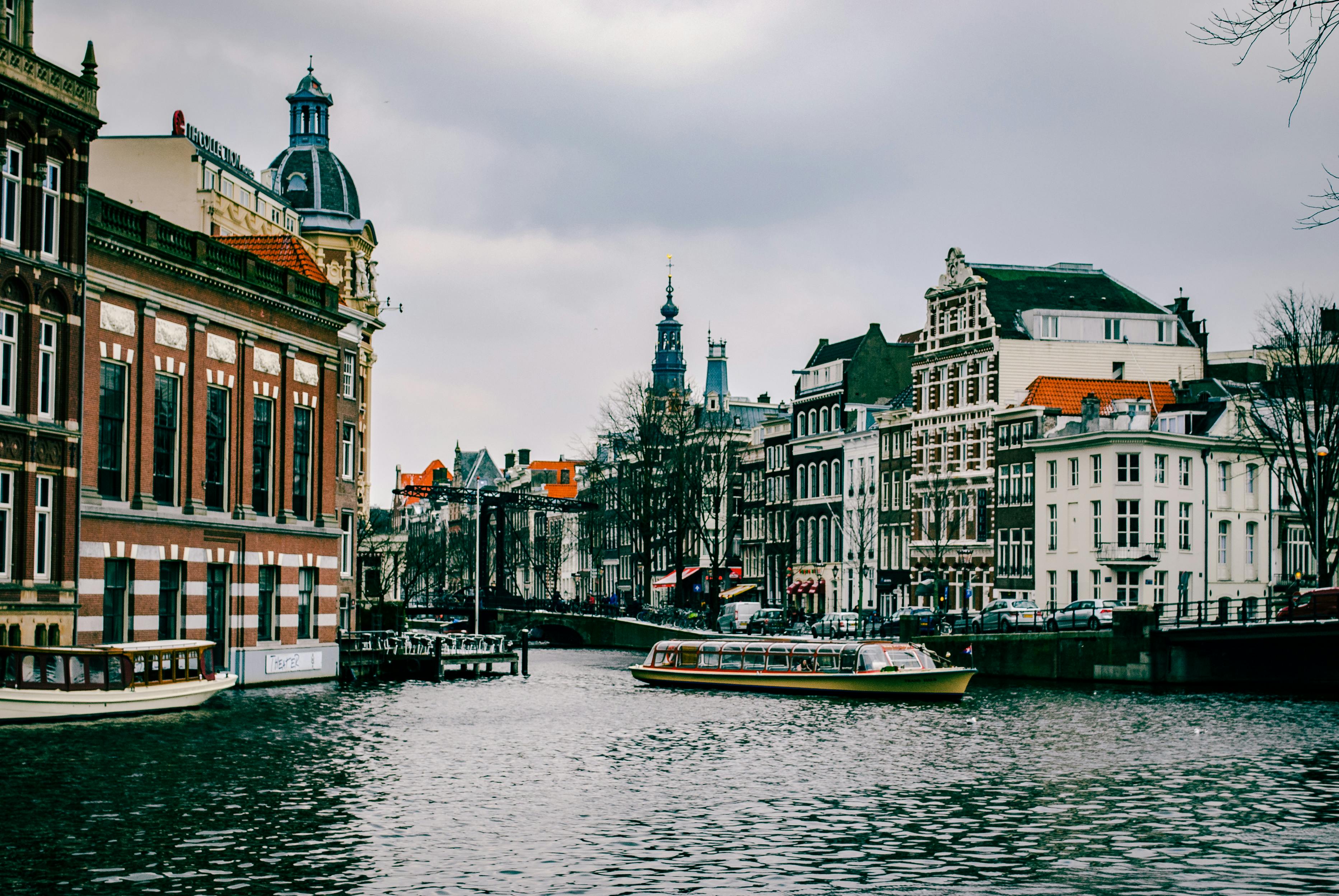
Europe isn’t across the world; it’s just across a plane. But getting there the right way matters. If you’re flying from India, there are multiple international airports that connect seamlessly with major cities across Europe. The options range from direct flights to single-stop routes, depending on where you’re starting from and which part of Europe you’re landing in.
There’s no single best way to get to Europe. It depends on your departure city, your itinerary, the season, and whether you want to land in Western Europe, Central Europe, or explore beyond the usual tourist circuit. Whether you're flying out of Delhi to Paris or Mumbai to Zurich, there's a route that suits your pace.
Major Airports in India with Direct or One-Stop Flights to Europe
The main international airports that serve frequent flights to Europe include:
Indira Gandhi International Airport (DEL), Delhi
Chhatrapati Shivaji Maharaj International Airport (BOM), Mumbai
Kempegowda International Airport (BLR), Bengaluru
Rajiv Gandhi International Airport (HYD), Hyderabad
Netaji Subhash Chandra Bose International Airport (CCU), Kolkata
Cochin International Airport (COK), Kochi
Chennai International Airport (MAA), Chennai
Each of these cities offers both direct and layover options to top destinations in Europe, including Paris, Frankfurt, Amsterdam, Rome, Zurich, and Vienna.
These direct routes reduce travel time and help you land fresher, especially if you're planning to cover multiple countries. Here’s a list of some of the most common direct flights from India to Europe.
| Departure City (India) | Destination City (Europe) | Airline | Average Duration |
| Delhi (DEL) | London (LHR) | British Airways, Air India | 9h 30m |
| Mumbai (BOM) | Paris (CDG) | Air France | 9h 20m |
| Bengaluru (BLR) | Frankfurt (FRA) | Lufthansa | 9h 45m |
| Delhi (DEL) | Zurich (ZRH) | Swiss International Air Lines | 8h 45m |
| Chennai (MAA) | Frankfurt (FRA) | Lufthansa | 10h |
These flights are typically available throughout the year, with higher frequencies during the peak European travel season between April and October.
One-Stop Flights: More Cities, More Flexibility
If you're not flying out of a metro city or want to explore lesser-known European destinations, one-stop flights work well. Airlines like Emirates, Qatar Airways, Etihad, and Turkish Airlines offer efficient connections via their hubs in the Middle East or Istanbul.
These layovers usually range between 2–4 hours, and they open access to cities like Prague, Florence, Salzburg, or Seville that don’t have direct links with Indian airports.
Common One-Stop Options Include:
Delhi – Doha – Madrid (Qatar Airways)
Mumbai – Istanbul – Budapest (Turkish Airlines)
Hyderabad – Abu Dhabi – Vienna (Etihad Airways)
Kochi – Dubai – Rome (Emirates)
This method also helps reduce airfare costs during non-peak months, and sometimes adds a chance to explore the stopover city if your layover is long.
Which Indian City Is Best to Fly from?
There’s no fixed answer; it depends on where you live and which European countries you’re visiting. But here’s a breakdown of best-match city pairs:
For Western Europe (France, UK, Switzerland): Delhi and Mumbai offer the most direct and frequent flights.
For Central and Eastern Europe (Austria, Hungary, Czech Republic), Bengaluru and Hyderabad with one-stop connections offer better access.
For Southern Europe (Italy, Spain, Greece): Chennai and Kochi are better suited for one-stop options via Middle Eastern hubs.
If you're starting from Tier-2 or Tier-3 cities, it's best to take a short domestic flight to a metro hub (Delhi, Mumbai, Bengaluru) and fly to Europe from there. It reduces transit issues and gives you access to better flight deals.
Travel Time and Cost Factors
Travel time ranges from 8 to 14 hours, depending on direct or one-stop routes. Peak season (May to August) sees higher airfare, especially for popular destinations like Paris, Amsterdam, or Rome. For better pricing:
Book flights 3–4 months in advance
Travel during shoulder seasons (April, September)
Use fare trackers and flexible date tools
Airfare to Europe from India typically starts around ₹40,000 to ₹60,000 (round trip) for economy class. Premium economy or business class rates depend heavily on the route and airline, but usually start from ₹1.2 lakh upward.
Tips for Smooth Europe Travel from India
Visa Comes First: Before booking your flight, ensure your Schengen visa application is approved or timed appropriately. Flight bookings are often required for the visa process, but can be made refundable.
Book Early: Summer routes get overbooked fast. If you’re planning for 2025, early planning gives you more flight and fare flexibility.
Keep Layovers Comfortable: Avoid ultra-short layovers if you’re transiting through major airports. A 2–3 hour window is ideal.
Choose Your Landing Point Smartly: Arriving in Frankfurt, Paris, or Zurich gives you the smoothest onward rail and road access to other countries.
Europe isn’t a one-season destination. It changes character with every month, and where you go depends heavily on when you go. A tulip garden in April doesn’t feel like the Christmas market in December, and that’s exactly the point. If you’re planning a European tour from India, picking the right season matters more than cramming destinations into your itinerary.
Whether you're looking for pleasant summers in the Alps, golden autumn in Paris, snow-covered streets in Vienna, or spring festivals across Spain and Italy, there’s a season for every kind of traveller.
Quick Overview: Europe’s Travel Seasons
| Season | Months | What to Expect | Best For |
| Spring | March to May | Mild weather, blooming gardens, fewer crowds | Tulip fields, festivals, day trips |
| Summer | June to August | Warm days, long daylight hours, busy tourist flow | Beaches, lake towns, Alps, nightlife |
| Autumn | September to November | Cooler air, fewer tourists, scenic landscapes | Wine tours, countryside drives |
| Winter | December to February | Snow, festive markets, off-season prices | Christmas lights, skiing, and low rates |
Summer in Europe (June to August)
This is peak season. Days are long, the weather stays consistently pleasant across most regions, and nearly every major route remains open. But prices do go up, so do crowds.
Temperature: 18°C – 28°C (varies by country)
Best For: Lake Como, Amalfi Coast, Swiss Alps, Paris, Amsterdam nightlife
Watch Out For: Fully booked hotels, inflated airfares, long lines at attractions
If you’re planning your 2025 Europe trip from India in summer, early bookings (3–6 months in advance) help secure direct flights, better rates, and smooth Schengen visa processing.
Spring (March to May)
Spring is easily one of the best-kept secrets of European travel. You still get open attractions, but without the peak rush. Cherry blossoms bloom in Paris, tulip gardens in Amsterdam open by April, and walking weather is perfect.
Temperature: 10°C – 20°C
Best For: Netherlands (Keukenhof Tulip Gardens), France, Tuscany, Prague
Why It Works: Affordable hotels, lighter crowds, and balanced weather
This season offers excellent Europe tour packages from India for couples, honeymooners, and first-timers who want to avoid the chaos but still cover iconic spots.
Autumn (September to November)
Autumn is when Europe slows down, and that’s a good thing. The leaves turn golden, vineyards come alive with harvest, and tourist-heavy cities like Rome or Venice feel more open.
Temperature: 12°C – 22°C
Best For: Wine regions in Italy and France, countryside drives, and fewer crowds
Special Appeal: Food festivals, cheaper rates, and ambient walks
If you're travelling in autumn, you get the perfect mix of relaxed sightseeing and authentic local experiences. It’s also one of the best times for Europe group tours or senior travellers who prefer cooler days.
Winter (December to February)
Winter in Europe isn’t just cold—it’s atmospheric. Cities light up for Christmas markets, snow blankets the Alps, and travel costs drop (except around Christmas and New Year).
Temperature: -5°C to 7°C
Best For: Switzerland, Austria, Germany, Lapland, festive markets
Things to Keep in Mind: Short daylight hours, cold weather gear, possible delays
For Indian travellers used to tropical winters, this can be a refreshing change. It’s the best time for snow sports, scenic train rides, and holiday-themed travel experiences across Europe.
When Should You Go Based on Your Priorities?
Here’s a guide based on what type of trip you’re planning:
For First-Time Travellers: Late April to early June or mid-September
For Couples & Honeymoons: Spring (April-May) or Autumn (Sept-Oct)
For Family Holidays: May-June (for school breaks), or December
For Budget Trips: March or November (before peak or after shoulder season)
For Festive Travel: December (Christmas markets, New Year celebrations)
For Nature & Landscape Travel: April for flowers, October for fall colours
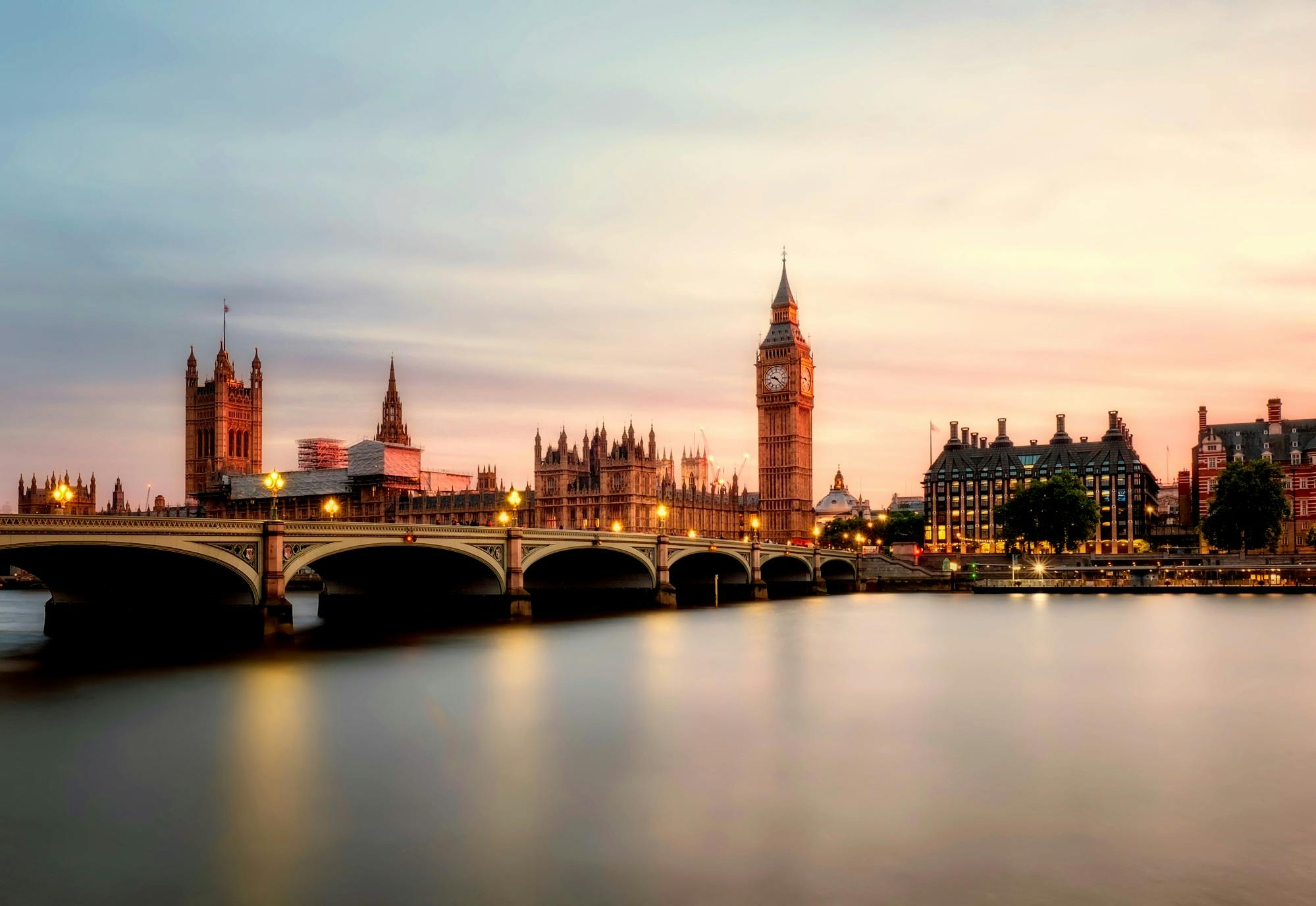
Europe is certainly not a one-size-fits-all trip, and that is true for the packages too. Whether you are a couple planning a romantic getaway, a family with kids, a group of friends, or a solo traveller and would rather explore freely, there are personalised itineraries designed for your travel pace, interests, and budget. Below is a breakdown of popular packagings and which type is best suited for whom.
1. Classic Europe Packages
These comprehensive itineraries span the highlights of 3–5 countries for 10 to 15 days. They include well-known cities like Rome, Paris, Amsterdam, Zurich, plus guided sightseeing options, intercity travel, visa options, and guaranteed hotels.
Best For: First-time travellers, families, or couples who want a balanced experience without needing to plan details on their own.
2. Budget-Friendly Packages
Great for independent travellers wanting to visit Europe on a budget. Travellers on these itineraries will stay in 2-star or 3-star hotels, have limited guided activities, collectively transfer to their hotel and use cheap flight options.
Best For: Students, young professionals, or families with fixed budgets.
3. Luxury Europe Packages
Luxury accommodations, business class flights, private transfers and premium guided tours are what these itineraries are all about. They will enjoy fine dining, boutique accommodations, vineyard tours and more custom travel.
Best For: Honeymooners, senior travellers, or families celebrating milestones.
4. Themed or Interest-Based Packages
These itineraries centre around particular interests in travel, such as art, food, fashion, Christmas markets, or even UEFA matches. Destinations and timeframes are based on those interests.
Best For: Passionate travellers, culture seekers, or those returning to Europe with a niche interest.
5. Group Departures vs Custom Trips
Group departures are pre-packaged fixed-date trips with other Indian travellers, while custom trips can be based entirely on your choices. Group tours are budget-friendly, and custom trips have flexibility and privacy.
Best For:
Who Can Travel to Europe from India?
Europe packages from India are designed with diverse audiences in mind. Travel requirements, visa support, pace of itinerary, and accommodation styles are all adaptable.
| Traveller Type | Features Available | Ideal Destinations |
| Couples | Romantic routes, boutique stays, vineyard tours, evening cruises | Paris, Venice, Santorini, the Swiss Alps |
| Families | Kid-friendly attractions, slow pace, theme parks, flexible food options | Rome, Lucerne, Amsterdam, Munich |
| Senior Citizens | Shorter travel hours, wellness stays, heritage walks, and medical support options | Salzburg, Lake Bled, Prague, Florence |
| Students | Hostels or 3-star stays, group tours, walking tours, and metro-based transit | Budapest, Berlin, Lisbon, Krakow |
| Solo Travellers | Custom pacing, backpacker routes, safe accommodations, support networks | Barcelona, Vienna, Interlaken, Porto |
| Corporate / MICE | Conference venues, team-building activities, visa coordination, and private coaches | Frankfurt, Brussels, Geneva, Milan |
Sample Europe Tour Packages from India (with Duration)
| Package Type | Duration | Destinations Covered |
| Classic Highlights Tour | 10 Days / 9 Nights | Paris, Lucerne, Venice, Innsbruck |
| Budget Eastern Europe | 8 Days / 7 Nights | Prague, Vienna, Budapest |
| Luxury Western Circuit | 14 Days / 13 Nights | Rome, Amalfi Coast, French Riviera, Swiss Alps |
| Honeymoon Special | 9 Days / 8 Nights | Paris, Venice, Santorini |
| Family with Kids | 12 Days / 11 Nights | Amsterdam, Brussels, Lucerne, Euro Disneyland Paris |
| Solo Travel Essentials | 7 Days / 6 Nights | Berlin, Krakow, Ljubljana |
| Themed Christmas Markets | 6 Days / 5 Nights | Vienna, Salzburg, Munich |
Each tour type is built with the end user in mind, whether you want fixed itineraries or fully custom-built journeys. It’s not about fitting into a mould but about choosing what reflects your idea of Europe best.
Planning a European trip from India goes beyond just booking flights and hotels. To truly enjoy the journey, you’ll need to keep a few essential travel tips in mind. These aren't just about comfort; they're about making your trip smooth, cost-effective, and stress-free across diverse European countries.
Choose a Multi-Country Schengen Pass for Convenience
Instead of booking individual country passes, consider the Eurail Global Pass or Interrail (if you're a resident of Europe) for seamless travel across borders. For public transport within cities, get local passes like the Paris Navigo Découverte or Berlin WelcomeCard, which save both time and money.
Stay Currency-Savvy
While card payments are common, you should always carry some cash in local currency, especially in smaller towns or for local transport and eateries. Euros are widely used, but countries like Switzerland (CHF) and Hungary (HUF) have their own currencies.
Pack Light, But Smart
Europe’s cobbled streets and rail networks demand light luggage. Opt for a good-quality wheeled suitcase or a sturdy backpack if you’re planning multiple hops.
Essentials to pack:
Prioritise Safety and Connectivity
Respect Local Customs and Regulations
Every European country has its own etiquette. Avoid loud phone conversations in public transport, don’t jump queues, and learn basic greetings in local languages like “Danke” in Germany or “Merci” in France. Always check if tipping is customary; it's expected in some regions but optional in others.
A European tour from India typically requires a Schengen visa. This visa permits entry into 27 European countries under one approval, making it convenient for multi-country travel. However, the process can seem complicated without clear guidance. Here's everything Indian travellers need to know, factually correct, well-structured, and easy to follow.
Step-by-Step Visa Process for Indian Citizens
| Step | Description |
| 1. Identify Your Entry Country | Apply through the embassy/consulate of the country where you'll stay the longest, or the one you enter first if all stays are equal. |
| 2. Book an Appointment | Visit VFS Global (or the specific consulate website) to schedule your biometric and document submission appointment. |
| 3. Gather Documents | See the checklist below. Each embassy might have slight variations. |
| 4. Submit Application | Attend the appointment, submit documents, biometrics, and pay the visa fee. |
| 5. Track and Wait | Processing takes 10–15 working days on average. You’ll receive SMS/email updates. |
Documents Required for Schengen Visa from India
Valid passport (issued in the last 10 years, valid for 3+ months beyond return date)
Two recent passport-size photos (as per Schengen specs)
Flight reservation (don’t book actual tickets before approval)
Proof of accommodation for the entire stay
Travel insurance (minimum €30,000 coverage)
Cover letter stating purpose, itinerary, and funding
Leave letter (if employed) or student certificate
3–6 months of updated bank statements
Income tax returns or Form 16
Proof of ties to India (job, family, property)
Fees and Processing Time
Visa fee: Approx. €80 (₹7,200), payable in INR
VFS service fee: Around ₹1,500 extra
Processing time: Usually 10–15 working days. Apply 4–6 weeks before travel.
Additional Tips
Don't book non-refundable tickets or hotels before getting the visa. Use refundable bookings or dummy reservations if needed.
Your travel insurance must include COVID-19 coverage; some embassies still mandate this.
Group tours can simplify the process, as many agencies assist with documentation, bookings, and appointment slots.
Planning a trip to Europe from India is not solely about purchasing tickets; it involves gaining a firmer understanding of what you can expect and figuring out how to prepare wisely. There is a more significant aspect that matters too, as you could think about what season or package, compositions of travel packages, plus visa or migration laws; all the logistics details matter. Your experience in Europe can be memorable, smooth, and educational (whether trekking in the Alps or meandering through historic town squares) if you have the right information, preparation, and mindset. Imagine this guide supporting you during the preparation phase before making your first step out of boundaries and borders.
Are you ready to adventure to Europe in your own way? Now write your itinerary confidently.

*T&C Apply
 SightseeingHotelCabMeal
*T&C Apply
SightseeingHotelCabMeal
*T&C Apply
SightseeingHotelCabMeal
*T&C Apply
SightseeingHotelCabMeal
*T&C Apply
SightseeingHotelCabMeal
*T&C Apply
SightseeingHotelCabMeal
*T&C Apply
SightseeingHotelCabMeal
*T&C Apply
SightseeingHotelCabMealHow do I realistically choose between covering 3 countries or 5 countries in one Europe trip?
The choice of three countries is better. In this manner, you will actually absorb the cities instead of just going back and forth to one city. You won’t have to pack and unpack your bags constantly. Some cities or destinations that look close on the map can be further away than you think. Believe it or not, travelling from city to city could consume more energy than you think. In the case of lengthy journeys of 12 to 14 days, plans mostly activate to cover 5 nations, and internal travel is well spaced out. If you are going on a trip for a time period of fewer than ten days, fewer countries usually make for a better experience overall.
Will I feel rushed if my itinerary includes Paris, Lucerne, Florence, and Amsterdam in one trip?
Sure, if you visit those cities in less than 9 – 10 days, you will feel rushed, as each one deserves 2 nights. It will take half a day to reach the cities, either by train or by flight from one city to another. It’s good to include buffer time in your plan if you have long travels.
Is it difficult to manage luggage while travelling between European cities?
Absolutely, this can get physically tiring if you are switching cities so often, especially in the old cobbled street areas and the old steep train stations with steps. According to your transfers, the best luggage with wheels is a compact one, and therefore, best to stick to one suitcase plus a small backpack. Life in Europe gets uncomfortable quite fast when we pack too many bags.
How early should I realistically start planning a Europe trip from India?
Try to plan ahead for 3 to 4 months in advance if summer or festive times are about to come. By planning ahead, you will have more flight options, smoother visa appointments, and better hotel options in a central location. When planning Europe last-minute, it can feel limited and stressful.
What kind of daily routine should I expect on a multi-country Europe tour?
Most of the time, you start your day with breakfast in the hotel. After that, you go sightseeing. These usually consist of some walking tours. Also, public transport, and when you reach the attractions, a small break in cafes before heading to the next big attraction. Even if all the transfers are pre-organised, you will still walk a lot while you are seeing the city. Evenings, mostly clear for dinner, but fatigue depends on how tightly the schedule is built.
What practical documents should I keep accessible during train travel across countries?
Random checks occur on certain routes, particularly long-distance trains, even though internal Schengen borders are generally open. Making important files easily viewable prevents extra trouble during audits. You should not pack everything deep inside your suitcase.
Carry these separately:
Is English enough to manage restaurants, stations, and hotels in Europe?
Yes, in big cities, tourist areas, and especially hotels, airports, train stations, and restaurants, English is usually sufficient. In small villages, it is possible to do without a person who speaks fluently. The staff that tourists would ideally face are trained to engage with overseas visitors.
How realistic is it to include scenic trains like the Glacier Express within a short itinerary?
A scenic train is realistic only if you’re staying at least two nights in the Swiss area that connects to that route. More than just a conveyance, these trains require a seat reservation in advance for a full-day journey. Scheduling them for a night often stretches the schedule.
What additional charges should I mentally prepare for beyond the tour package?
Even with a structured package, certain local expenses remain personal and are not controlled by tour operators. Preparing for these avoids frustration during the trip.
Common additional expenses include:
Is it safe for Indian families travelling with children to move between European countries?
Yes, it is relatively safe for families travelling with kids as long as your itinerary doesn’t have very late-night transfers and back-to-back long travel days. Transport systems in Europe are well-organised and predictable to allow for planning. Picking hotels located near transport hubs reduces unnecessary movements with the children.
How do I avoid making my Europe itinerary too hectic?
By not changing cities too often and ensuring that you spend at least 2 nights at a prominent destination, you can avoid a hectic itinerary. Don't forget to make sure not to plan multiple countries within a small period just to add to your list. Time in between sightseeing can be a fun time or rest time.
What happens if a train is delayed during intercity travel?
Sometimes trains may be delayed due to weather disruptions or strikes, but European railways usually offer alternatives. When assistance is requested for pre-booked tickets, the local operator will help in revalidating or modifying the route. It is always best to keep buffer time in your connecting flights.
How physically demanding is sightseeing in cities like Rome or Paris?
Visiting cities like Rome or Paris is moderately hard because any historic area is slightly uneven on one’s feet and has a queue. Museums and landmarks occupy considerable space and time. Comfortable shoes are not an option but a must if you want to enjoy it.
Is it better to stay near city centres or near train stations?
If you’re transferring a lot during your short trip, we recommend booking stays at a train station. Stay in the city centre if planning slower travel. Stroll at night. Sometimes, the difference in a train station in Europe is not that significant because most major stations are central. Your daily movement pattern will help in decision-making.
What are the realistic total travel hours between countries like France and Switzerland?
The train ride from France to Switzerland takes between three and five hours, depending on where you’re leaving from. Even though distances seem short, don’t forget to include boarding and local transfer time. Making sure we use these hours properly.
How much should I realistically budget as personal daily spending in Europe?
Your daily personal expenses will depend on how you eat and shop, rather than fixed package prices. An average traveller will spend significantly less than someone who eats every day at premium restaurants. Planning your spending conservatively allows you flexibility without a financial burden.
Why do some European packages look cheaper online than others for the same number of days?
You may notice that some prices seem cheap for packages, but that is because they do not include internal transport, entry into the attractions, or even the hotel has a central location. Afterwards, they become voluntary. Comparing inclusions is much better than comparing headline pricing. The total cost may be high despite a low starting price.
What practical steps should I take before submitting my Schengen visa application?
Confirm that there are no inconsistencies within your flight itinerary and hotel stays before applying, and that they match your travel dates. When it comes to unnecessary rejection, the first reason that we often hear is document-related issues. Assessing financial records and job verification adds credibility.
Exercise greater caution while preparing these:
Is it possible to combine a Schengen trip with the United Kingdom in one itinerary?
Yes, it is possible to have a Schengen trip in combination with the United Kingdom. You have to apply for a separate UK visitor visa; however, it is not part of the Schengen visa. Following the rules for entry, documentation, and visa timelines is not related.
How do I handle currency when visiting both Euro and non-Euro countries?
When roaming over Euro and non-Euro countries, plan currency exchange accordingly instead of carrying huge amounts of cash. In most cities, cards are widely accepted, and you won’t require a lot of currency conversions. In exchange for small local amounts for non-Euro countries.
What realistic travel pace works best for couples on a European trip?
Couples enjoy travelling at a leisurely pace so that they can go on long walks, enjoy long dinners, and have lazy mornings instead of a tight-fitting schedule with sightseeing blocks. Spending two to three nights in each city allows for more exploration and downtime. Couples cannot always move from one city to another, as that takes away the romantic vibe and feel.
What should I realistically expect from hotel room sizes in Europe?
European hotel rooms are generally smaller than typical Indian hotel rooms, especially in historic city centres where buildings are older. Storage space may be compact, and bathrooms can be tighter. Understanding this in advance avoids unnecessary disappointment during check-in.
How do I avoid overpacking for a European trip?
Overpacking can be a pretty big hassle while travelling to another city by train. Having layered garments planned ahead of time makes luggage lighter to carry. There are a lot of cities that offer laundry services, so there is no need to carry too many clothes.
What are the most common mistakes Indian travellers make on their first European trip?
First-time travellers do not account for internal travel fatigue and try to cover too many countries in a limited time. Neglecting buffer days for rest and visa delays is another common mistake. The decision to travel and travel plans should be based on the realities of a situation and not on emotion or sentiment.
Why does the total Europe trip cost sometimes increase after the initial quotation?
The total cost of the trip may go up in case hotel upgrades, optional experiences, or route changes are requested by travellers after the pricing is done. Hotel rooms and flights may now be available for confirmed bookings. To keep the budget unaffected, early confirmation of inclusions and preventing last-minute changes is necessary.


